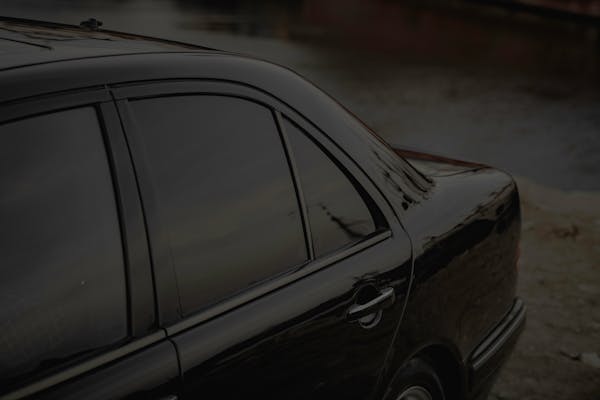
Window Tint Shops in Chicago: Car, Residential & Commercial Tinting
Window Tint Shops in Chicago: Car, Residential & Commercial Tinting
People usually don’t wake up one day thinking I need tint.
It starts with a small annoyance.
Your arm cooking on the driver’s side.
Laptop screen invisible at a red light.
That one room in the house nobody wants to sit in at 3pm.
Or a storefront that feels like a greenhouse by noon.
Then you search window tint shops in Chicago and realize there are… way too many options. Prices all over the place. Some promise lifetime, some promise “nano ceramic super carbon hyper something.”
Hard to tell what actually matters.
After doing this for a long time, the pattern is predictable — most people aren’t really buying tint for looks. They just want their space to feel normal again.
Cars in Chicago deal with two opposite problems
Hot summers and freezing winters mess with interiors more than people expect.
In summer the sun is brutal through glass. Not Florida brutal, but long exposure brutal. Cars sit in open parking lots all day here — offices, train stations, apartments. The heat builds slowly and stays trapped. Steering wheels fade, leather tightens and cracks, plastic dries out.
Then winter hits and that same glass leaks heat outward.
So the car never stabilizes.
That’s why car window tinting Chicago isn’t only about darker windows. Good film regulates temperature both directions. Less heat in July, less heat escaping in January. People notice the summer benefit immediately… but the winter comfort is what keeps them sold.
You’ll hear owners say the heater starts working faster. It’s not magic — just less radiant heat leaving through untreated glass.
Cheap tint always tells on itself
Usually after the first winter.
Purple tone appears.
Edges curl.
Rear defroster lines start bubbling.
What happened wasn’t “bad installation” most of the time — it was dye film reacting to temperature cycles. Chicago expands and contracts materials constantly. A product that survives Arizona heat doesn’t automatically survive Midwest seasons.
Ceramic window tint Chicago exists mostly because of this climate. Ceramic film doesn’t rely on dye or metal layers that fatigue the same way. It blocks infrared heat without absorbing it heavily, so it doesn’t cook itself every summer.
At Professional Tint Chicago we redo a lot of cars that were tinted somewhere else only a year earlier. Not because the shop was careless — because the material wasn’t meant for this environment long term.
Night driving concern — the one everyone asks quietly
Nobody wants to admit they’re worried about visibility.
Truth is, darkness percentage matters less than film quality. A clear 70% ceramic can reduce glare more than a cheap 35% dyed film because it filters light differently. Less haze. Less headlight scatter.
People often expect tint to make night driving harder. Good film actually makes it calmer. The harsh LED headlights around Chicago highways feel less sharp.
If someone drives a lot at night, we usually steer them lighter rather than darker. Comfort over appearance. Most end up happier with that choice after a week.
Homes in Chicago have “that one room”
Almost every house has it.
South facing.
Too bright in afternoon.
Blinds always half closed but still hot.
Home window tinting and commercial projects are similar here — the problem isn’t privacy, it’s balance. The house heats unevenly because certain windows absorb hours more sun daily.
People first try curtains, blackout shades, UV films from hardware stores. Helps a bit. But heat already entered before the curtain stopped the light.
Residential window tinting Chicago works because it stops energy at the glass instead of inside the room. Once heat passes the pane, it’s already indoors. Film changes that transfer point.
After installation homeowners usually notice their AC cycling less often before they notice the glare reduction. Bills don’t always dramatically drop, but the system stops fighting one hot zone constantly.
“I don’t want my house to look mirrored”
Completely fair concern.
Older films made homes look like office buildings.
Modern residential films can be almost invisible from inside and outside while still rejecting heat. The reflectivity level is a choice, not a requirement anymore.
We’ve done apartments where neighbors never noticed the windows were tinted until told. The comfort changed, appearance barely did.
If someone Googles residential home window tinting near me, they’re usually picturing black limo film on their living room. That’s rarely what gets installed.
Storefronts and offices — comfort affects behavior
Commercial window tinting Chicago clients usually call after staff complaints.
Employees move desks away from windows. Customers avoid certain tables. Computers overheat near front glass. The space technically works but nobody likes sitting in half of it.
Tinting doesn’t fix layout — it equalizes it.
Once front glass stops radiating heat inward, suddenly the whole floor plan becomes usable. Retail especially benefits because people linger longer when they aren’t subconsciously uncomfortable.
One café owner told me customers started choosing window seats after tinting, which sounds small but changed how the place felt.
What people misunderstand about tint longevity
They think tint fails suddenly.
It doesn’t.
It slowly stops performing.
Heat rejection drops before appearance changes. By the time bubbling appears, performance has been declining for months. Good ceramic films hold performance much longer even when they still look identical.
So when comparing window tint shops in Chicago, warranty length matters less than material stability. A 10-year performing film beats a “lifetime” one that degrades in three.
Installation matters, but prep matters more
Dust specks happen during install — unavoidable at microscopic level. The real skill is surface prep and pattern cutting. Glass contamination trapped under film creates most long-term issues.
A careful shop spends more time cleaning than applying.
At Professional Tint Chicago installs often look slow from the outside because prep isn’t rushed. People expect the exciting part to be the film going on — actually the boring wiping stage determines whether edges stay clean years later.
Aftercare is simpler than people think
No special chemicals needed.
No babying.
Just avoid scraping edges and don’t use abrasive pads. The biggest enemy is impatience — rolling windows down too early after install before adhesive cures.
Other than that, tinted glass lives normally. Most owners forget it’s even there after a few weeks. They just notice discomfort when they ride in a non-tinted car again.
FAQs
Is darker tint always better for heat?
Not really. Ceramic clarity beats darkness. A lighter high-quality film can block more heat than a dark cheap one.
Will cops bother me in Chicago?
As long as legal limits are followed, rarely an issue. Most tickets come from overly dark front windows, not rear glass.
My car has factory privacy glass — do I still need tint?
Privacy glass mostly darkens, doesn’t reject much heat. Adding film actually changes comfort.
How long before I can roll windows down?
Usually a few days. Weather affects curing — cold slows it. We tell people longer in winter just to be safe.
Does residential tint make rooms darker at night too?
Barely noticeable indoors after sunset. The sun is what activates most of the filtering effect.
Can you remove old bubbling tint without damaging defrosters?
Carefully, yes. It’s delicate though. Rushing removal is what breaks lines, not the film itself.
Is ceramic really worth the price difference?
For Chicago weather swings, yeah. Most people who redo tint within a year were trying to save upfront.
Do I need to replace tint if I replace a broken window?
Only that panel. We match the shade so it blends with existing glass.
Tint ends up being one of those upgrades people stop thinking about but constantly benefit from. Not flashy — just removes daily irritation you didn’t realize was draining comfort until it’s gone.
